Tractor and Christmas Tree Embroidery Review
As a designer who spends more time than I care to admit staring at stitch density charts and testing thread tension, I approach every new machine embroidery design with a mix of optimism and skepticism. The market is saturated with generic holiday motifs, so finding something that feels authentic rather than algorithmic is rare. When I first pulled up the file for Tractor and Christmas Tree, my initial reaction was one of cautious interest. It sits squarely in the Illustrations category, which suggests a graphic quality that needs to translate well into thread. This review isn’t just about whether it looks pretty on a screen; it’s about how this embroidery file performs when it hits the hoop, how it holds up on finished products, and whether it has the commercial viability for your craft business.
First Impressions: Mood and Visual Personality
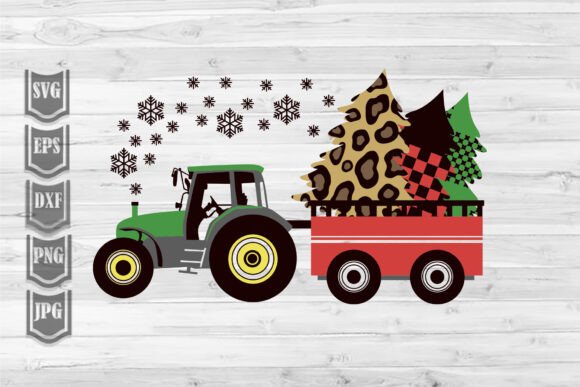
The moment you load the digital embroidery file, the composition strikes a balance between rustic charm and festive cheer. The juxtaposition of the tractor—a symbol of rural life, hard work, and autumn harvest—with the Christmas tree creates an immediate narrative. It’s not just a holiday image; it’s a lifestyle statement. For designers targeting the farmhouse aesthetic or country-chic markets, this embroidery project offers a ready-made story.
Visually, the design avoids the cluttered look that plagues many seasonal files. The shapes are distinct, allowing for clean satin stitch outlines and efficient fill stitch applications. There is a natural rhythm to the layout that guides the eye from the sturdy wheels of the tractor up to the branches of the tree. It feels grounded. In an era where customers are looking for handmade products that feel personal and heartfelt, this design delivers warmth without being overly sentimental. It appeals to the Etsy seller who wants to offer something that resonates with family traditions, farm life, and the cozy spirit of the holidays.
Real-World Application: Where Does It Fit?
Let’s talk about practicality. I recently considered using this design for a custom order of embroidered patches for a local farm stand’s holiday pop-up shop. Here is how I evaluated its potential across different product categories.
Apparel and Wearables
This design shines on heavier fabrics. I imagine it perfectly centered on the chest of a charcoal gray or forest green sweatshirt. The contrast between the dark fabric and bright thread colors would make the tractor and christmas tree pop. However, placement is key. On a t-shirt, it might feel too large for the left chest unless scaled down significantly. I’d recommend placing it larger on the back of a hoodie or as a full-front print on a canvas tote bag. For custom apparel, the design’s bold lines ensure it remains legible even from a distance, which is crucial for brand visibility at craft fairs.
Home Decor and Textiles
One of the strongest use cases for this embroidery project is home decor. A kitchen towel or tea towel featuring this motif is a classic gift item. The rectangular shape of the towel provides a perfect horizontal canvas for the tractor and tree alignment. Similarly, a pillow cover for a living room sofa could benefit from the cozy vibe. The design works well as an applique design if you want to add texture, or as a dense fill for a plush blanket. For nursery decor, it might be slightly too rugged depending on the theme, but for a child’s room with a farming or country theme, it’s adorable.
Accessories and Gifts
I also tested the scalability for smaller items. An embroidered patch version of this design would sell well. Caps and hats are tricky due to curvature, but the rounded top of the tree and the solid base of the tractor allow for some flexibility. If you are making personalized gifts, adding a name above the tree creates a beautiful vertical composition. It’s versatile enough to be a wedding gift for a couple who runs a bed-and-breakfast or a simple holiday present for grandparents.
Technical Performance and Stitch Quality
From a technical standpoint, the execution of this machine embroidery design is thoughtful. The stitch density appears balanced, avoiding the heavy, stiff areas that can ruin the drape of a garment. The running stitch details used for the tree needles and tractor grill provide fine detail without overwhelming the main elements.
However, no design is perfect out of the box. When evaluating the thread colors, I noticed that certain shades might blend together on dark backgrounds. It is essential to test the color palette against your actual fabric stock. If you are embroidering on a black cap, you may need to adjust the highlight threads to ensure the tree branches don’t disappear into the background. Always check the hoop size requirements before starting production. If the design exceeds your machine’s standard hoop, you will need to plan for re-hooping, which increases production time and risk of misalignment.
Critical Considerations and Pitfalls
While this design has strong potential, there are specific scenarios where it requires careful handling. I cannot stress enough the importance of testing on scrap fabric first. Here are the areas where caution is needed:
- Small Hoop Sizes: Attempting to stitch this design in a very small hoop may result in cramped details. The fine lines of the tractor grille could become muddy if the resolution is too low.
- Textured Fabrics: Avoid using this on heavily textured materials like bouclé or thick chenille. The needle penetration might be inconsistent, leading to skipped stitches or distorted shapes.
- Stretchy Fabrics: While possible on knitwear, you must use a high-quality stabilizer to prevent puckering. The tension of the fill stitch can pull thin jersey fabric out of shape.
- Dense Stitch Areas: Check the underlay stitches. If the density is too high, the final product may feel rigid and uncomfortable against the skin, especially on baby clothes or delicate aprons.
- Frequent Washing: For items like tea towels or aprons that will be washed often, ensure the thread quality is high. Poorly stabilized designs can fray or lose definition after multiple cycles.
Design Notes for the Professional Maker
To get the most out of this embroidery file, I recommend a few best practices. First, inspect the design in black and white mockups. This helps you see the true value contrast and ensures the tractor doesn’t visually merge with the tree. Second, compare light and dark fabric backgrounds digitally before committing to physical samples. Third, always confirm licensing terms. If you are a small shop product creator selling finished goods, verify that the license allows for commercial use of the physical items. If you are selling digital downloads, the restrictions are usually stricter.
Finally, consider the presentation. High-quality printable mockups that show this design on realistic farm-themed settings can significantly boost conversion rates for your online store. Buyers engage more with visuals that help them imagine the product in their own homes. By pairing this design asset with appropriate styling, you elevate it from a simple graphic to a premium handmade product.
Final Verdict
The Tractor and Christmas Tree design is a solid addition to any designer’s library for the holiday season. It captures a specific aesthetic that is currently popular and translates well into various commercial embroidery applications. It is not a novelty gimmick; it is a well-composed illustration that respects the medium of thread. With proper testing, attention to fabric choice, and smart marketing, this design can drive sales for holiday embroidery collections. Just remember to respect the technical limits of your machine and fabric, and you’ll create finished products that customers will love.