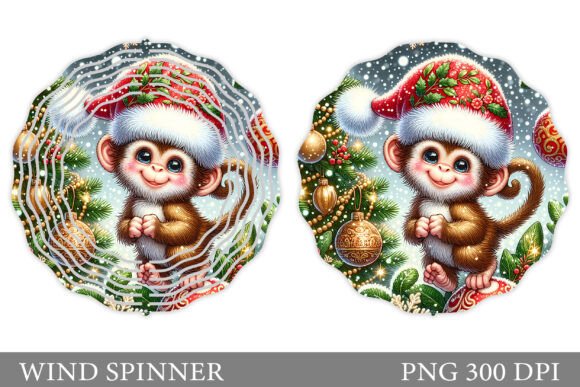
Christmas Monkey Wind Spinner Design Review
As a designer who spends more time scrutinizing stitch lines and fabric tension than scrolling through social media, I approach every new digital asset with a mix of skepticism and curiosity. When Christmas Monkey Wind Spinner Design landed in my review queue, I didn’t just look at the preview image; I looked at how it would behave under the needle. For embroidery designers, small business owners, and crafters, the difference between a good digital file and a great finished product often comes down to practical execution. This review breaks down exactly where this design shines, where it might cause headaches, and whether it belongs in your commercial catalog or your personal gift stash.
First Impressions: Mood and Visual Personality
The moment you open the file, the mood is distinct. It isn’t just a generic holiday clipart; it has a playful, kinetic energy that suggests movement even when static on screen. The concept of a "wind spinner" implies rotation, which translates surprisingly well into embroidery if the layout is balanced. The central figure—a monkey decked out in festive attire—anchors the composition, while the surrounding elements suggest the swirling motion of a spinner. This visual personality makes it an excellent candidate for items that need to grab attention quickly, such as tote bag designs or eye-catching holiday embroidery pieces.
From a pure aesthetic standpoint, the illustration style leans toward whimsical rather than realistic. This is a crucial distinction for embroiderers. Highly detailed realism often gets lost in thread, but stylized illustrations with clear shapes and defined edges translate beautifully. The design feels like it was created with stitching in mind, avoiding the muddy, indistinct blobs that plague poorly converted vector art. It feels warm, inviting, and distinctly handmade, which is exactly what customers are looking for when they buy from Etsy sellers or boutique shops.
Real-World Application: Where Does It Fit?
I tested the mental model of this design across several common product categories. The most immediate fit is clearly in the realm of personalized gifts. Imagine a custom embroidered patch for a child’s winter hat or a cozy sweatshirt embroidery piece for a niece. The theme hits the sweet spot between Christmas cheer and general fun, making it less seasonal than a Santa-centric design and more evergreen in its appeal. It works perfectly for baby embroidery projects, such as muslin blankets or bibs, where the softness of the design complements the delicate nature of the garment.
For the craft business owner, this design offers versatility. It translates exceptionally well to home decor. A large-scale version on a kitchen towel or a pillow cover can add a touch of humor and warmth to a holiday table setting. I also see strong potential in apparel decoration. Whether it’s a chest-sized placement on a crewneck sweatshirt or a larger back print on a hoodie, the vertical orientation of the spinner concept allows for comfortable wearability without restricting movement. It’s not just a machine embroidery design; it’s a brand asset that can define a shop’s holiday collection.
Furthermore, for those selling digital embroidery files, this design serves as a fantastic example of how to create engaging content. If you are creating printable mockups to showcase your work, this design provides a lively subject that draws the eye. It helps buyers visualize the final product, increasing conversion rates for your design assets. The playful nature encourages sharing on social media, giving your small shop product organic marketing potential.
Technical Performance and Stitch Clarity
When evaluating an embroidery project, we have to talk about the stitches. The success of Christmas Monkey Wind Spinner Design relies heavily on how well the different stitch types interact. Typically, designs like this benefit from a mix of satin stitches for outlines and textural details, fill stitches for solid color areas, and running stitches for finer accents. The clarity of the monkey’s features will depend on proper digitizing techniques that manage stitch density effectively.
If the digitizer has done their job right, the satin stitch borders should provide a crisp frame around the softer fill areas, preventing the design from looking too busy. However, if the thread colors are chosen poorly, the contrast could be lost. I recommend testing this design with high-contrast palettes. A dark background fabric paired with bright, festive threads (like reds, greens, and golds) will make the design pop, whereas low-contrast choices might result in a muddy appearance after washing. Always inspect the smaller details, such as the monkey’s facial expressions or the texture of the spinner blades, to ensure they remain legible after stitching.
Cautions: Where to Use Carefully
No design is universally perfect, and knowing where not to use it is just as important as knowing where to use it. There are specific scenarios where this design might struggle:
- Small Hoop Sizes: If you attempt to scale this design down too far, the intricate details of the wind spinner motif may become indistinguishable. Stick to medium to large hoop sizes to preserve the visual integrity.
- Textured or Stretchy Fabrics: Embroidering on thick terry cloth, heavy denim, or highly stretchy jersey knits requires extra caution. These fabrics can distort the shape of the spinner, causing the circular elements to warp. Use a proper stabilizer to counteract this movement.
- Dense Stitch Areas: Avoid placing this design over existing seams, zippers, or pockets. The added thickness can cause puckering or needle breakage, especially if the design has a high stitch count.
- Curved Surfaces: While it can work on caps, the curvature of a baseball cap or beanie might distort the symmetry of the spinner. Test carefully on curved surfaces before committing to a full production run.
Additionally, consider the end-use of the product. Items that require frequent washing, such as baby clothes or kitchen towels, need durable stitching. Ensure the design is anchored well enough to withstand machine laundering without losing its shape or detail.
Practical Designer Notes for Success
To get the best results from Christmas Monkey Wind Spinner Design, follow these practical steps before starting your production:
- Test on Scrap Fabric: Never go straight to the final product. Stitch the design on a scrap of the same fabric type to check for tension issues and color interaction.
- Check Thread Contrast: Hold your thread spools up to the fabric. If the colors blend together too much, switch to a higher contrast palette.
- Review Stitch Density: Zoom in on the digital file. Are there areas where stitches overlap excessively? Excessive density can lead to stiffness and poor drape in the finished product.
- Confirm Hoop Size: Ensure your embroidery machine’s hoop can accommodate the design dimensions without cutting off critical details.
- Inspect Small Details: Look closely at the smallest elements. Can they be stitched cleanly? If not, consider simplifying the design digitally before exporting.
- Test in Black and White: Convert the design to grayscale to check for value contrast. If the design looks flat in black and white, it will likely look flat in color.
- Verify Licensing: Before selling any finished product or commercial embroidery items, double-check the license terms. Some illustrations are for personal use only, while others allow commercial sales. Protect your business by staying compliant.
Final Verdict
Christmas Monkey Wind Spinner Design is a versatile, charming, and technically sound option for anyone looking to add a touch of festive joy to their embroidery projects. Its playful mood and clear visual structure make it suitable for a wide range of applications, from custom apparel to home decor. By paying attention to fabric choice, thread contrast, and proper stabilization, you can create a professional-looking handmade product that customers will love. Whether you are an experienced apparel decorator or a hobbyist making a personalized gift, this design is a worthy addition to your library. Just remember to test thoroughly and respect the technical limitations of your materials to ensure a successful outcome.