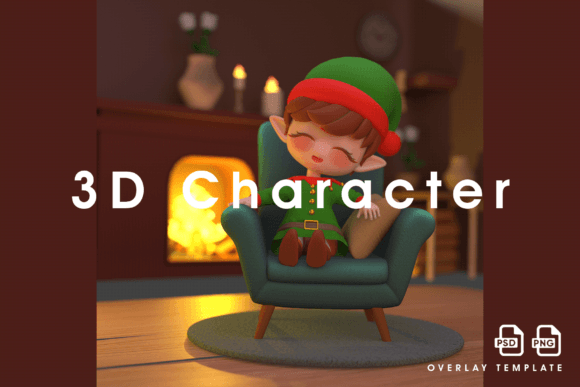
Christmas Elf Relaxing on Armchair: A Review for Editorial Illustrations
In the world of digital publishing, visual hierarchy is not just an aesthetic choice; it is a functional necessity. As a blog designer who has spent years optimizing content for readability, click-through rates, and brand trust, I approach every new graphic design asset with a critical eye. We are constantly looking for elements that do more than simply decorate a page—they need to communicate mood, support the narrative, and encourage engagement without overwhelming the text.
This review focuses on a specific asset that has caught my attention for its potential in seasonal content strategies: the Christmas Elf Relaxing on Armchair. While it may sound like a simple illustration, understanding how this piece fits into a broader editorial design workflow can significantly impact the polish and professionalism of your website. Below, I break down how this asset performs in real-world publishing scenarios, from featured images to newsletter headers.
The First Impression: Mood and Editorial Fit
When you first load the Christmas Elf Relaxing on Armchair asset, the immediate takeaway is one of comfort and relatability. In a niche often dominated by high-energy holiday sales or stark corporate messaging, this illustration offers a pause. It feels lifestyle-focused, warm, and slightly playful without being childish. This is crucial for modern content marketing, where readers are increasingly drawn to brands that feel human and approachable.
The artistic style appears clean and modern, avoiding the cluttered look of older clip art. For a publisher, this means the asset can serve as a visual anchor in layouts that need to balance festive cheer with professional credibility. It supports content niches such as lifestyle blogging, parenting advice during the holidays, cozy home decor, mental health awareness (the importance of rest), and general seasonal storytelling. It does not scream "discount," but rather whispers "welcome."
Integrating Into Real Publishing Workflows
The true value of any design asset lies in its versatility across different touchpoints. Here is how I see the Christmas Elf Relaxing on Armchair fitting into a standard content calendar for a digital publisher:
- Blog Featured Images: Using this elf as a primary graphic for holiday-themed posts can instantly signal the topic to scrollers. It breaks up the wall of text and provides a focal point before the reader even clicks.
- Pinterest Pins: Pinterest is a visual search engine. An image featuring a relaxed character against a festive background tends to perform well because it promises a sense of calm or inspiration. You can overlay headlines about "Holiday Self-Care" or "Cozy Winter Reading Lists" directly onto this canvas.
- Newsletter Graphics: Email open rates depend heavily on preview text and header images. A subtle, charming illustration like this elf can increase perceived value, making your newsletter feel like a curated magazine rather than a spammy blast.
- Digital Guides and Lead Magnets: If you are creating a downloadable PDF, such as a "Holiday Meal Planner" or a "Winter Wellness Checklist," using this asset on the cover adds a layer of personality. It transforms a generic document into a branded digital product.
- Social Media Previews: On platforms like Instagram or Facebook, consistent visual branding builds recognition. This illustration can be part of a cohesive set of social media graphics that maintain a unified tone throughout December.
Impact on Content Performance and Trust
Why does this matter for your bottom line? Because visual quality directly influences reader trust. When a website looks polished, visitors subconsciously assume the content inside is equally reliable. The Christmas Elf Relaxing on Armchair contributes to this perception by providing a high-quality, intentional visual element.
Furthermore, strong visual hierarchy guides the user’s eye. By placing this illustration strategically near calls-to-action or key takeaways, you can improve click-through potential. It acts as a visual cue that says, "This section is important, and here is a friendly guide to help you navigate it." For affiliate marketers, this subtle nudging can lead to higher conversion rates, as the audience feels less sold to and more helped.
Consistency is also key to building a strong brand identity. If you use this style of illustration across multiple posts, categories, and resources, you create a recognizable visual language. Readers will begin to associate that specific warmth and charm with your brand, fostering loyalty over time.
Where This Asset Shines
This illustration is particularly effective in hero images where space allows for breathing room. It works beautifully as an editorial accent next to pull quotes or sidebars. It is also ideal for category visuals, helping users quickly identify seasonal content sections on your site. Additionally, for creators using tools like Canva, this asset can serve as a foundational element in a Canva template library, allowing for quick customization while maintaining brand consistency.
Areas Requiring Caution
However, no single asset is perfect for every context. There are scenarios where the Christmas Elf Relaxing on Armchair should be used carefully:
- Small Mobile Thumbnails: At very small sizes, intricate details may disappear. Ensure the main silhouette of the elf remains clear when scaled down for mobile feeds.
- Text-Heavy Blog Images: Avoid placing dense body text directly over the illustration. Let the graphic breathe. Use it as a background with a solid overlay or keep it separate from the typography.
- Low-Contrast Backgrounds: If your website theme is light beige or pastel, ensure the elf stands out. Poor contrast reduces readability and accessibility.
- Serious Professional Niches: If you are writing for a strict corporate B2B audience, this playful asset might undermine authority. Reserve it for lifestyle, creative, or consumer-facing content.
Practical Publisher Notes for Implementation
Before dropping this asset into your workflow, consider these technical and strategic checks:
- Test Across Devices: Preview the image on desktop, tablet, and mobile. Does it lose clarity? Is it cropped awkwardly?
- Check Typography Pairing: Try placing headlines in serif, sans-serif, script, and display fonts alongside the illustration. See which combination enhances the mood without clashing. Often, a clean sans-serif font pairs well with whimsical illustrations to maintain modernity.
- Review File Size: Web performance is critical. Compress the image properly to ensure fast load times. A slow-loading site hurts SEO and user experience.
- Confirm Licensing: Always verify the commercial license if you are using this on monetized websites, affiliate pages, or paid digital download products. Ensuring you have the right rights protects your business from legal issues.
- Black and White Test: Convert the image to grayscale to check contrast levels. If it disappears, the design lacks sufficient depth for versatile use.
Final Thoughts on Visual Storytelling
The Christmas Elf Relaxing on Armchair is more than just a festive decoration; it is a tool for emotional connection. In an era of digital fatigue, offering content that feels cozy and inviting can set your publication apart. By integrating this creative design element thoughtfully, you enhance the overall web design experience, making your site not just a place to read, but a place to feel.
Whether you are updating your website header for the holidays, designing a new lead magnet, or refreshing your affiliate marketing visuals, this asset offers a blend of charm and professionalism. It reminds us that behind every pixel is a human reader seeking comfort, information, and a bit of holiday spirit. Use it wisely, test it rigorously, and watch your engagement metrics rise.